I sat down with a couple recently who wanted to talk about their interest rates, retirement was not even on the horizon. By the time finished the meeting, they were genuinely surprised at how easily they could retire well without changing much at all. The only value I really added for them was a bit of transparency on the distant future. So it gave me an idea — because it turns out you can fit in a bit of fun and still retire comfortably. Let me show you how.
Meet Mitch and Elena
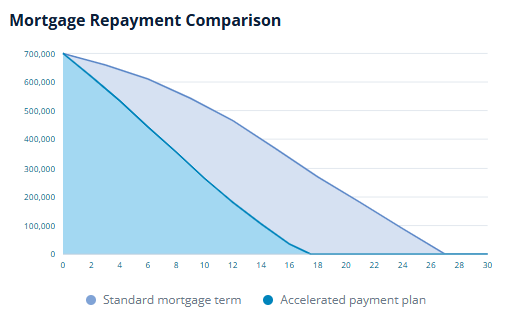
They’re not real, but they’re inspired by real clients. Joint income of $170,000, a six-year-old son called Luther, and healthy surplus income every year after all their expenses. If they threw all of that surplus at the mortgage, they’d be done in 18 years. If they then took the estimated surplus in income and redirected that towards building up savings, they would likely be safe fore retirement.
That’s the boring-but-effective answer. Pay it down faster, save a fortune in interest, done. But what if they wanted to slot in a couple of treats along the way — the car Mitch couldn’t afford in his twenties, and $100,000 to help their son Luther onto the property ladder one day?
The Treats Don’t Cost as Much as You’d Think
Add in the car($150,000), the deposit($100,000) for Luther, and a $20,000 pay rise for Mitch over five years (he has to earn it — a promotion, not a lottery win), and the mortgage stretches from 18 years to 20. Two extra years to have your cake and eat it too.
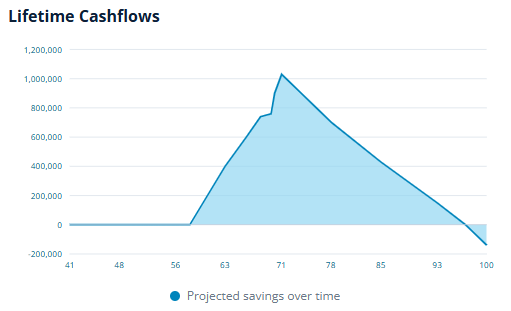
Where it gets interesting is retirement. Run the full lifetime cash flow — KiwiSaver cashed in, income stopping, spending continuing — and Mitch and Elena run out of money in their 90s. Not ideal, even if the car’s probably worth more by then. (Don’t take that as investment advice.)
The Fix Wasn’t the Car. It Was the KiwiSaver Fund.
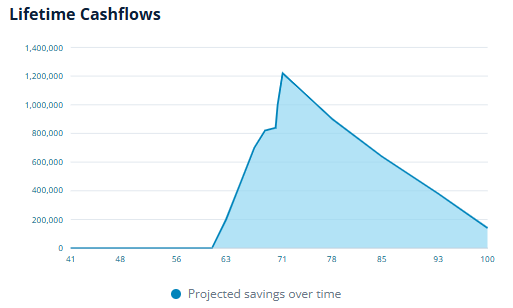
Here’s the bit that actually mattered, and it’s based on something I see constantly. When this couple bought their home, they switched their KiwiSaver into a conservative fund to protect their deposit — sensible at the time — and then never switched it back.
Left in conservative for another 20-plus years, that fund does a lot of the damage to their retirement. Move it back to something more aggressive to suit their actual timeframe, and the whole picture changes. No arguments about the car required.
But None of This Works Without One Thing
You can have the fanciest map in the world, but if you don’t know where you’re currently standing, it’s useless. Same with retirement planning. Before any of these numbers mean anything, you need a realistic picture of where your money actually goes right now — including the $20,000 holiday a year that’s non-negotiable, because let’s be honest, some spending isn’t up for debate.
Most of the time, the adjustment needed isn’t dramatic. It’s tidying up a few things you’d probably tidy up anyway.
If you want to see what your own version of this looks like, get in touch with us.